wall of fame




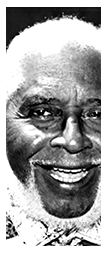
Lutalo 'Brother Resistance' Masimba
Date of Birth: July 16th 1948
Deceased: April 27th 2020
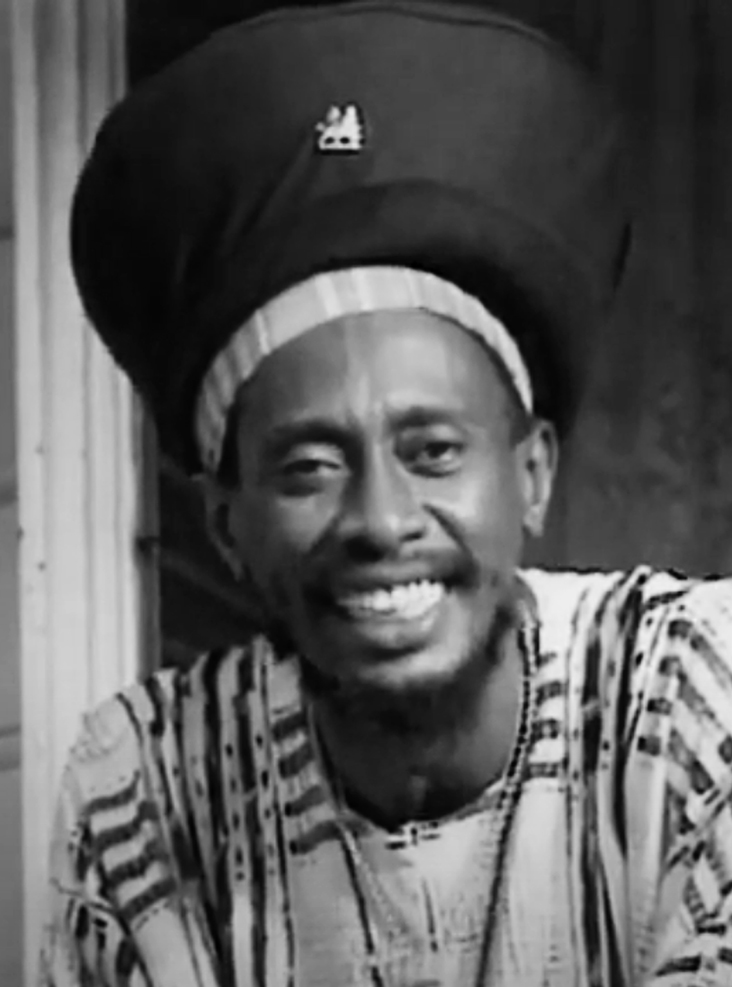
Messages from Lutalo

TUCO Mini Concert 2019

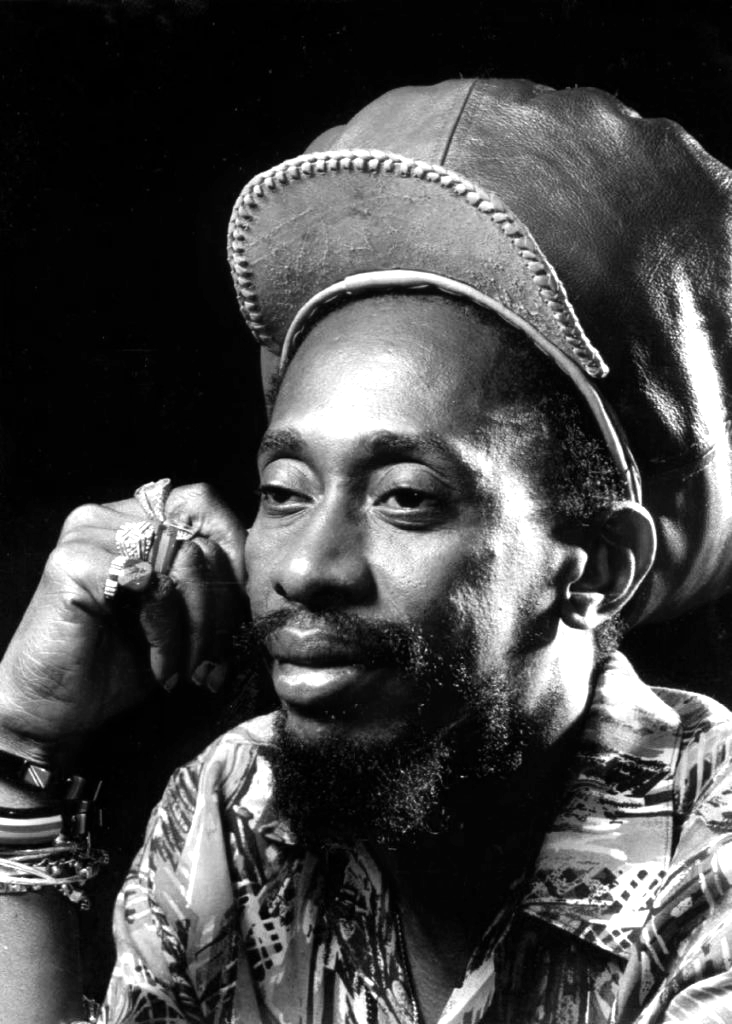
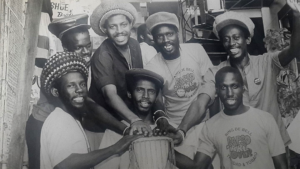 Brother Resistance and the Network Riddim Band 1982
Playwright / Director / Actor / Educator
By Janine Mendes-Franco
To Trinidad and Tobago, Brother Resistance was much more than an artistic icon; he was a fountain of cultural knowledge. Born Roy Lewis in east Port of Spain, Trinidad, in 1954, Brother Resistance, as he would most popularly come to be called, eventually changed his name to Lutalo Masimba to better reflect his African heritage. He received his secondary education at the prestigious Queen’s Royal College, famous for producing figures such as Eric Williams, the country’s first prime minister who led the country to independence from Britain (also a notable historian), and writers C.L.R. James and V.S. Naipaul. The school inducted Brother Resistance into its Hall of Honour in 2017 in recognition of his contribution to culture and the arts.
Part poetry, part scintillating backbeat, Rapso is defined as “the power of the word in the rhythm of the word,” having grown out of the West African griot or storyteller tradition. In the Caribbean, these musical poets have been traditionally referred to as chantwells, champions of call and response.
Rapso music was pioneered by the late Lancelot Layne, evolving as a brand a protest music out of the Black Power movement of the late 1960s, during which the country experienced a period of social unrest that culminated in a failed revolution attempt in 1970. Brother Resistance, along with the Network Riddum Band, took up the Rapso mantle and carried the artform into the 1980s and beyond, spearheading its revival and bringing it into the mainstream of World Music.
The band’s 1981 debut offering “Busting Out” contained two tracks, one written by Brother Resistance, and became a hit. The following year the group released “Roots of de Rapso Riddum”, but their message, deeply rooted in social commentary, was deemed subversive. Police raided and destroyed their band room in June 1983, which only served to fuel their sense of purpose. They continued to release music, always putting the genre front and centre: “Rapso Explosion” (1984), “Rapso Takeover” (1986), and “Rapso Uprising” (1989).
Brother Resistance continued to be prolific as a solo artist well into the 1990s and 2000s, singing on themes of love, unity, spirituality, and respect for “Mother Earth”, a song that demonstrated just the depth of his perception and vision. Long before the term climate change was coined, Brother Resistance was asking, “Is it too late to save the earth?”
Perhaps his most beloved song, however, was “Ring De Bell”, in which he symbolically advocates for ringing the bell—part of Spiritual Baptist, Orisha and other religious traditions—for culture, justice, freedom and, of course, Rapso: “It’s a long, long time now we fighting for freedom, victory bound to come, I come with my bell just to second the motion, rock the Rapso Riddum.”
Having completed his tertiary education at The University of the West Indies (UWI), Brother Resistance was awarded a Master’s degree in Carnival Studies from the University of Trinidad and Tobago in 2012, and was in the process of completing his Ph.D. at UWI. During the period 1974-1976 he was employed at the Central Bank of Trinidad and Tobago.
Resistance may have brought Rapso music to the world, having toured throughout the Americas, Asia and Europe, but he was at heart a poet, authoring “Rapso Explosion”, a collection of Rapso poetry that was published in the United Kingdom. In 1992, he received a national award, the Hummingbird Medal (Silver), for his contribution to the culture and community development.
Lutalo ‘Brother Resisitance’ Masimba died on 13th July 2021 at the age of 67 after being diagnosed with cancer. At the time of his passing he was the president of The Trinbago Unified Calypsonian Organiation (TUCO).
Read the Full Article at:
https://globalvoices.org/2021/07/14/ring-de-bell-brother-resistance-who-mainstreamed-trinidad-tobagos-rapso-music-has-died/